Click to View: 1. Designing for Natural Ventilation: Principles, Strategies & Technologies
Click to Enlarge Slide 1. Designing for Natural Ventilation: Principles, Strategies & Technologies
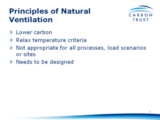
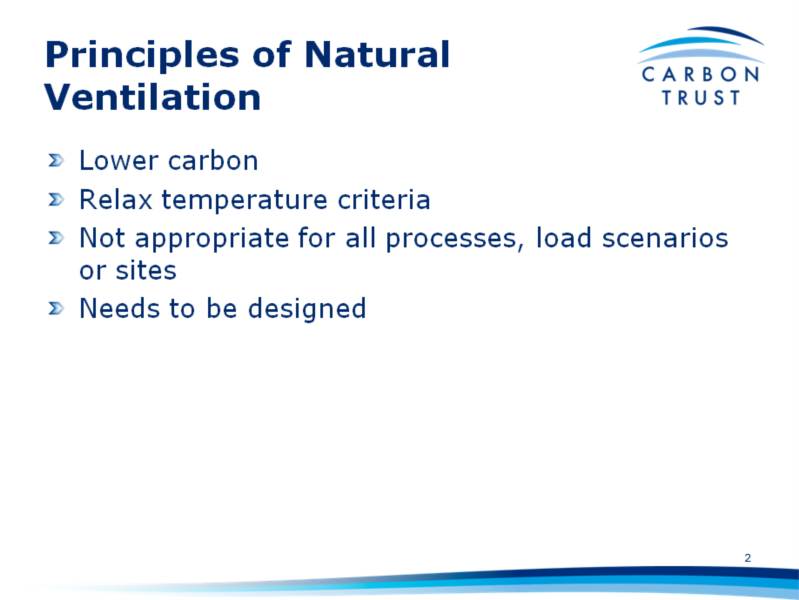
Click to View: 2. Principles of Natural Ventilation
Click to Enlarge Slide 2. Principles of Natural Ventilation
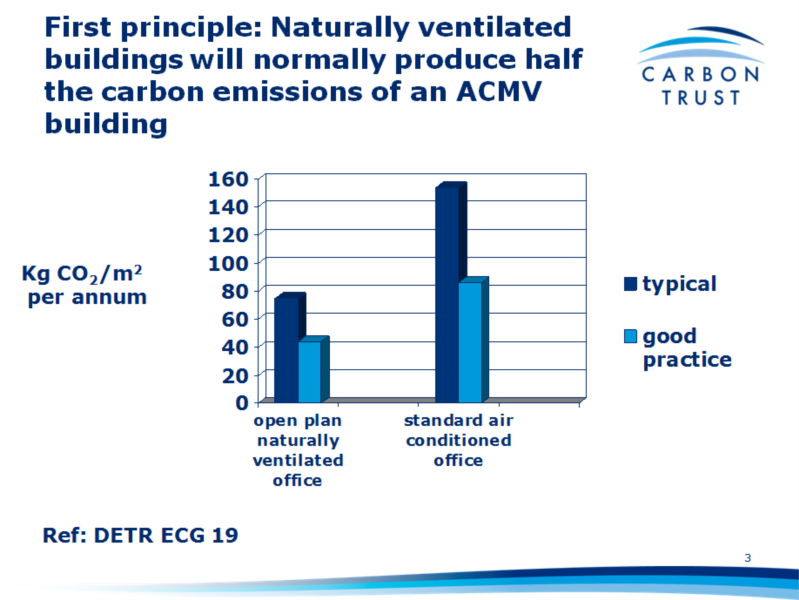
Click to View: 3. First Principle
Click to Enlarge Slide 3. First Principle
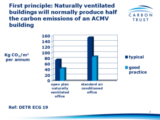
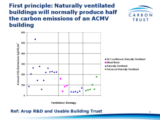
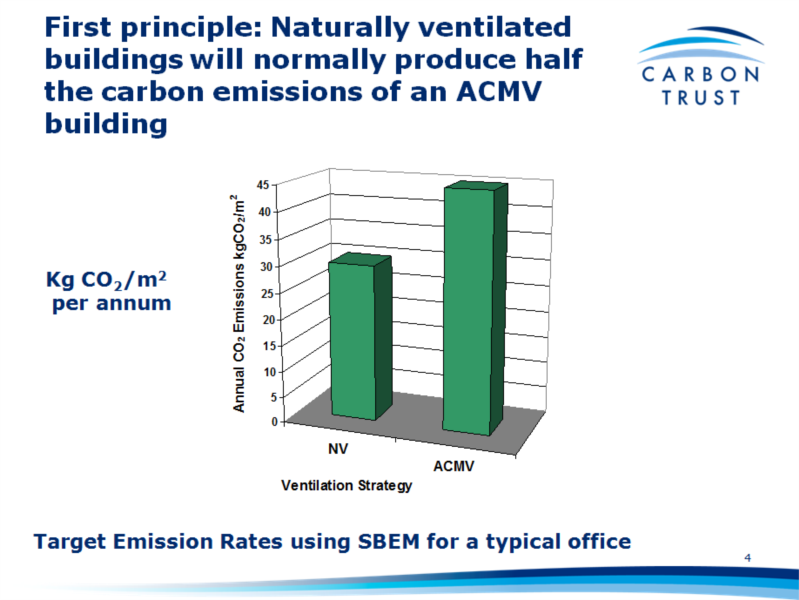
Click to View: 4. First principle: Naturally ventilated buildings will normally produce half the carbon emissions of an ACMV building
Click to Enlarge Slide 4. First principle: Naturally ventilated buildings will normally produce half the carbon emissions of an ACMV building
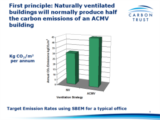
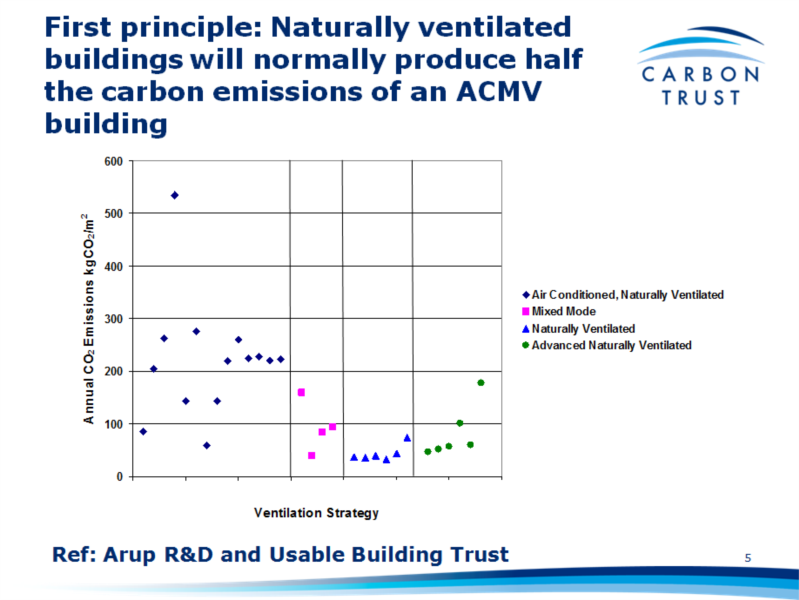
Click to View: 5. First principle: Naturally ventilated buildings will normally produce half the carbon emissions of an ACMV building
Click to Enlarge Slide 5. First principle: Naturally ventilated buildings will normally produce half the carbon emissions of an ACMV building
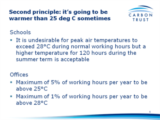
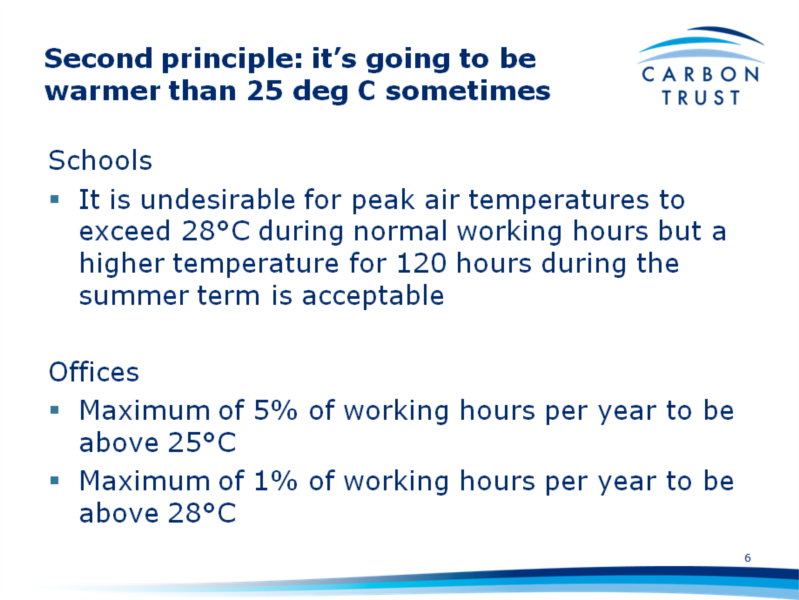
Click to View: 6. Second principle: it’s going to be warmer than 25 deg C sometimes
Click to Enlarge Slide 6. Second principle: it’s going to be warmer than 25 deg C sometimes
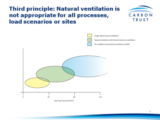
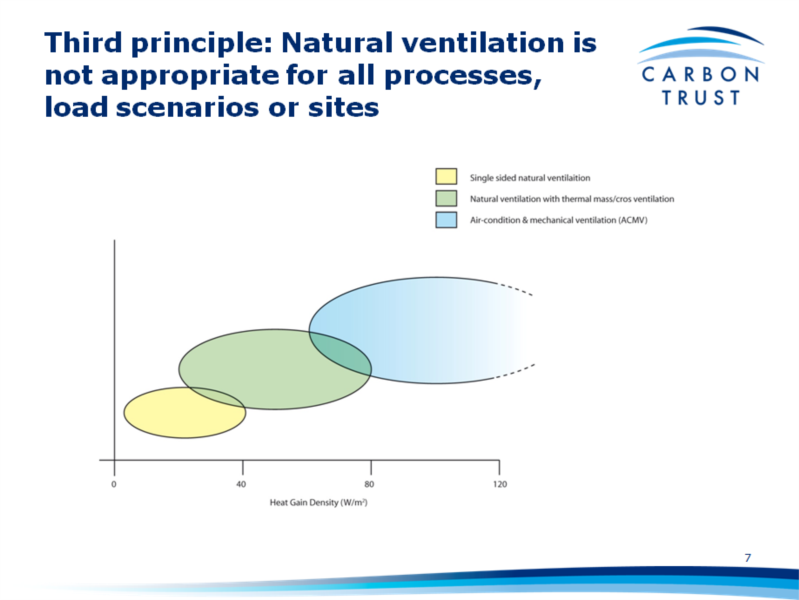
Click to View: 7. Third principle: Natural ventilation is not appropriate for all processes, load scenarios or sites
Click to Enlarge Slide 7. Third principle: Natural ventilation is not appropriate for all processes, load scenarios or sites
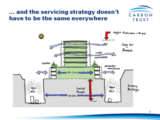
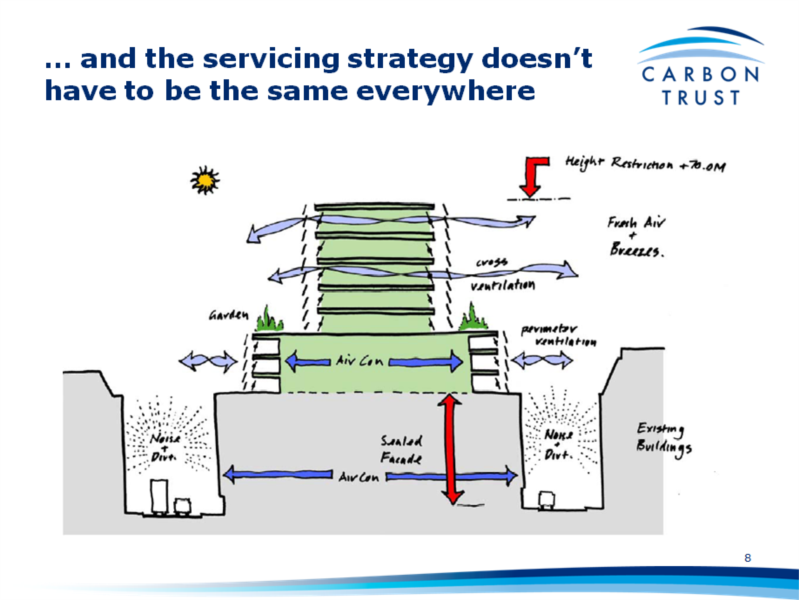
Click to View: 8. … and the servicing strategy doesn’t have to be the same everywhere
Click to Enlarge Slide 8. … and the servicing strategy doesn’t have to be the same everywhere
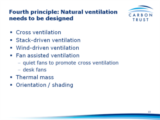
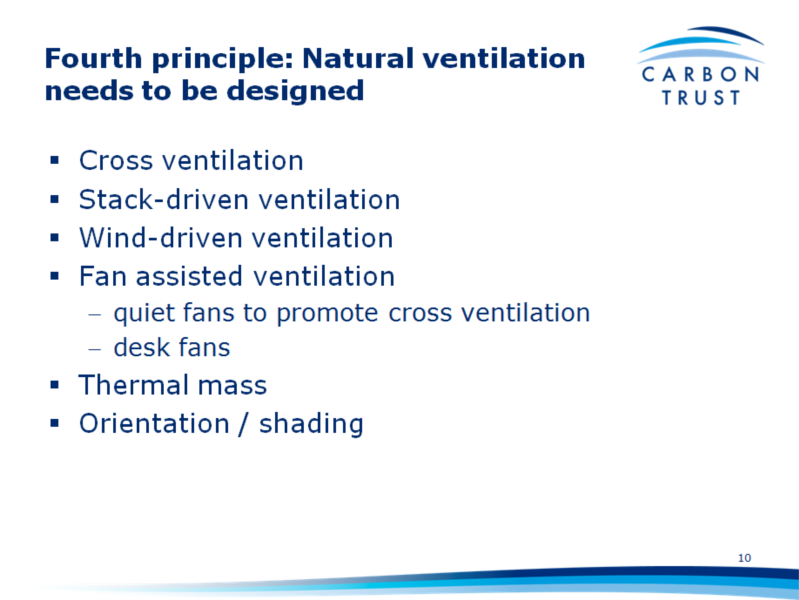
Click to View: 9. Fourth principle: Natural ventilation needs to be designed
Click to Enlarge Slide 9. Fourth principle: Natural ventilation needs to be designed
Click to View: 10. Fourth principle: Natural ventilation needs to be designed
Click to Enlarge Slide 10. Fourth principle: Natural ventilation needs to be designed
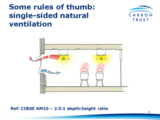
Click to View: 11. Some rules of thumb: single-sided natural ventilation
Click to Enlarge Slide 11. Some rules of thumb: single-sided natural ventilation
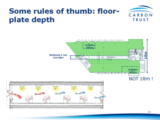
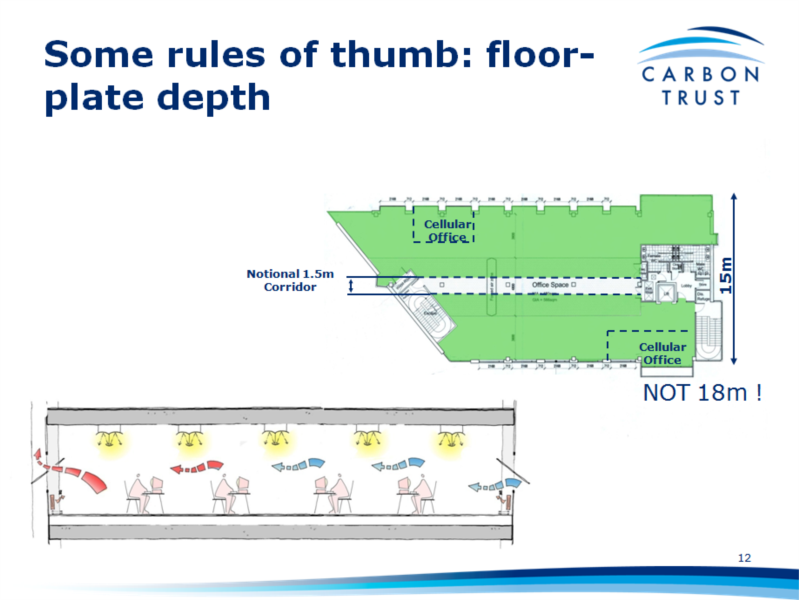
Click to View: 12. Some rules of thumb: floor-plate depth
Click to Enlarge Slide 12. Some rules of thumb: floor-plate depth
Click to View: 13. Glazing and shading
Click to Enlarge Slide 13. Glazing and shading
Click to View: 14. Slide 14
Click to Enlarge Slide 14. Slide 14
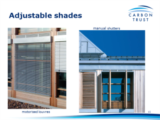
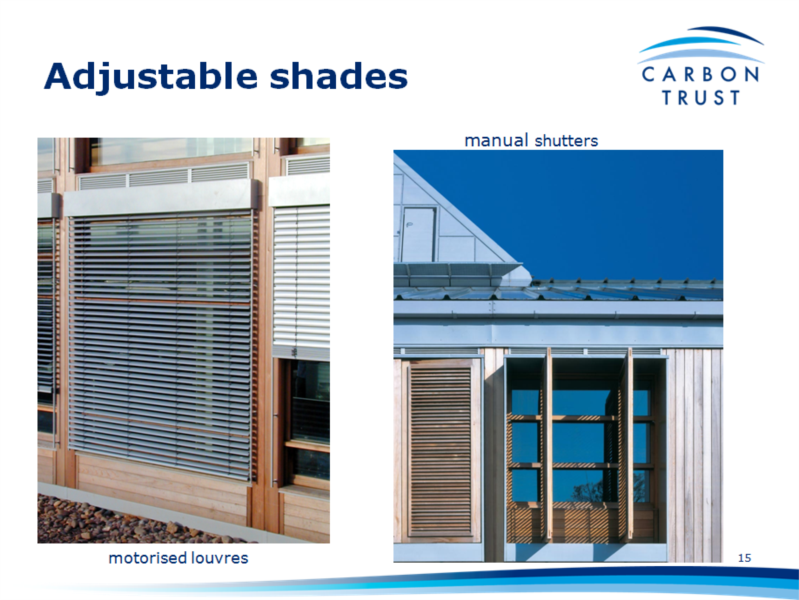
Click to View: 15. Adjustable shades
Click to Enlarge Slide 15. Adjustable shades
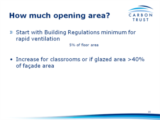
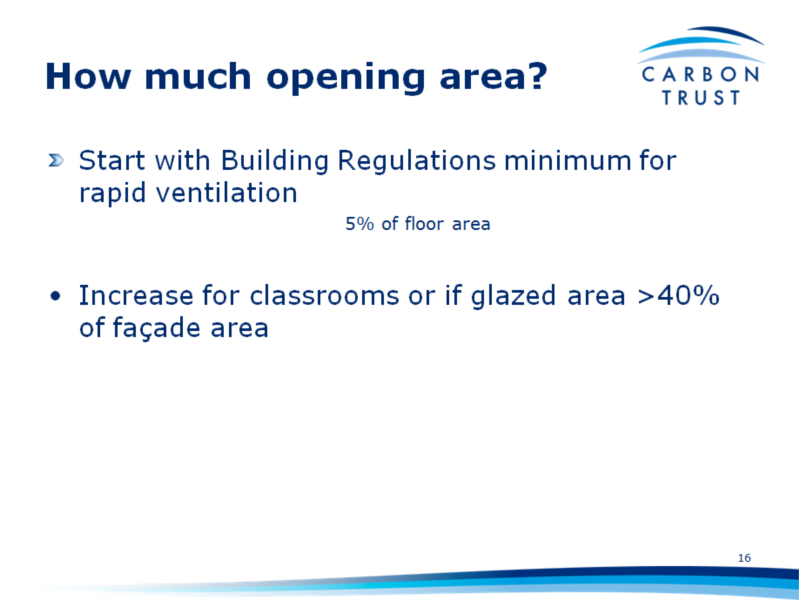
Click to View: 16. How much opening area?
Click to Enlarge Slide 16. How much opening area?
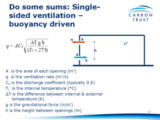
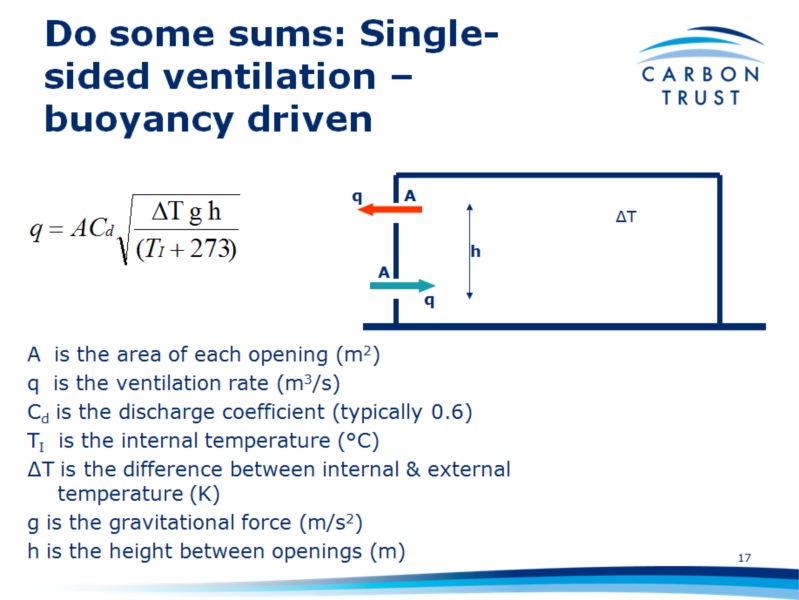
Click to View: 17. Do some sums: Single-sided ventilation –buoyancy driven
Click to Enlarge Slide 17. Do some sums: Single-sided ventilation –buoyancy driven
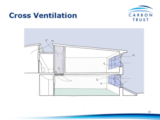
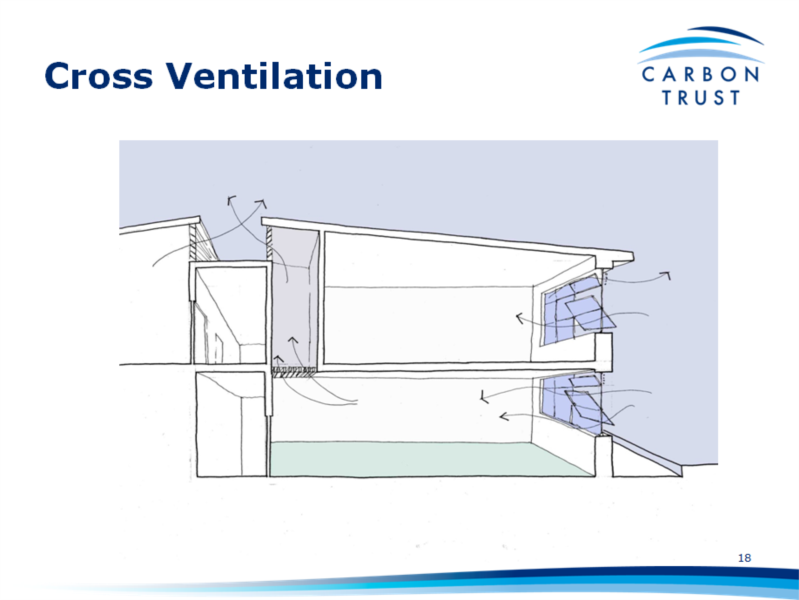
Click to View: 18. Cross Ventilation
Click to Enlarge Slide 18. Cross Ventilation
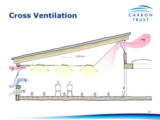
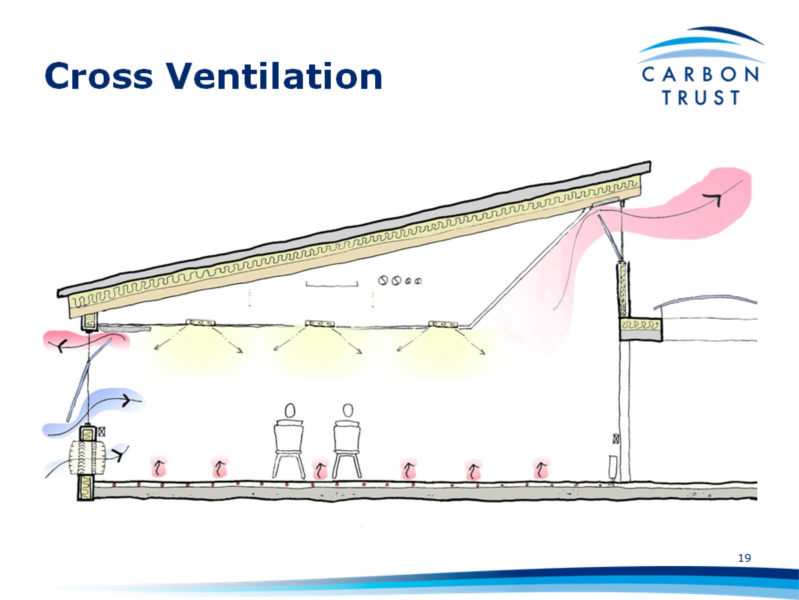
Click to View: 19. Cross Ventilation
Click to Enlarge Slide 19. Cross Ventilation
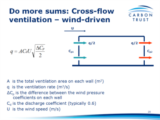
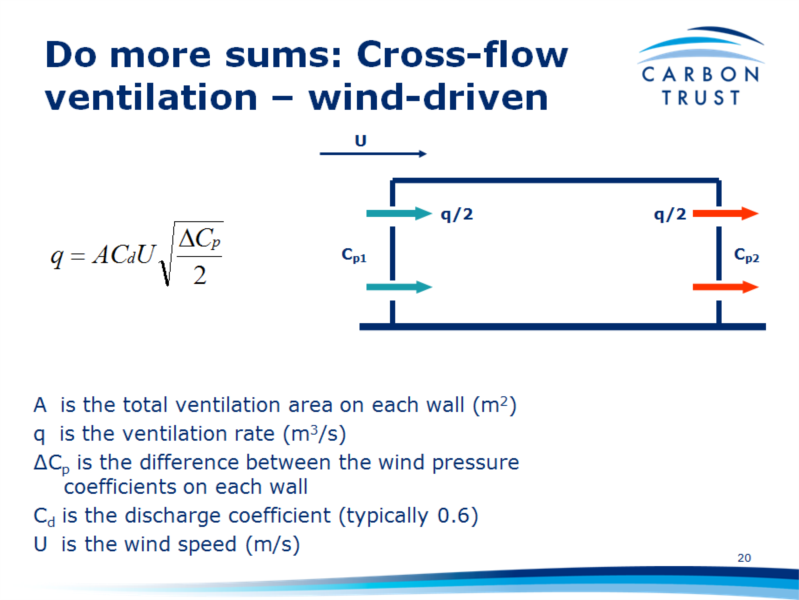
Click to View: 20. Do more sums: Cross-flow ventilation – wind-driven
Click to Enlarge Slide 20. Do more sums: Cross-flow ventilation – wind-driven
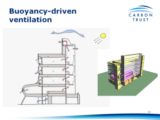
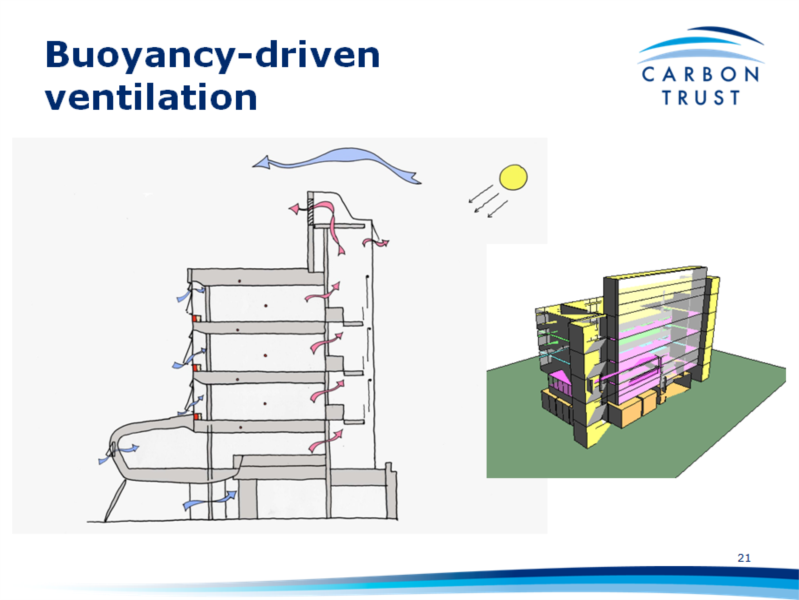
Click to View: 21. Buoyancy-driven ventilation
Click to Enlarge Slide 21. Buoyancy-driven ventilation
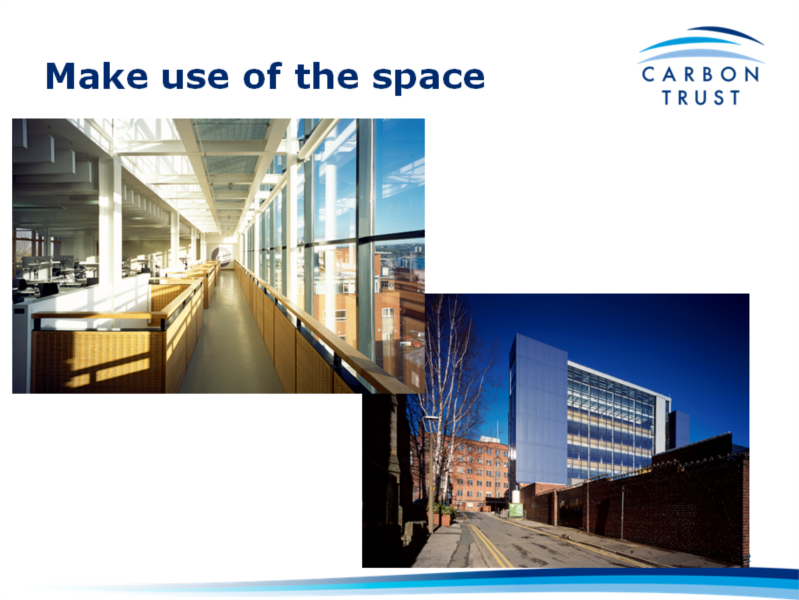
Click to View: 22. Make use of the space
Click to Enlarge Slide 22. Make use of the space
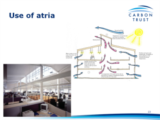
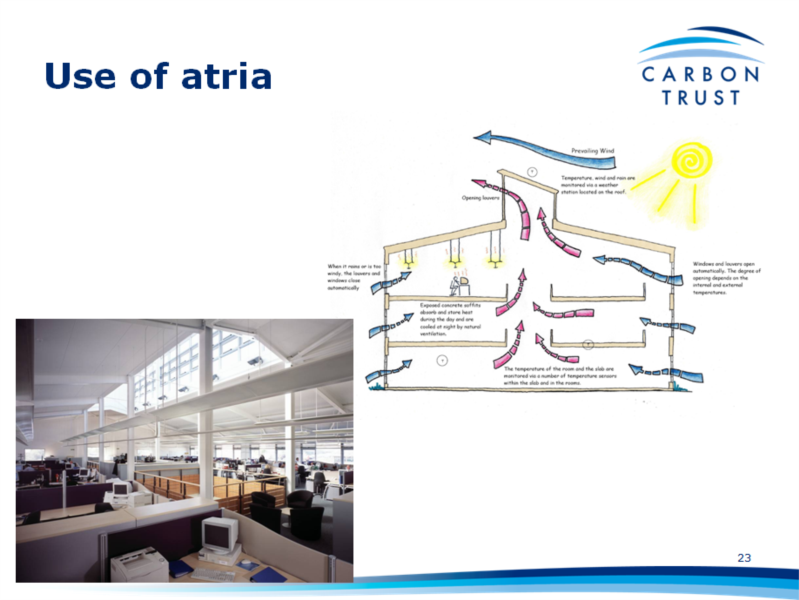
Click to View: 23. Use of atria
Click to Enlarge Slide 23. Use of atria
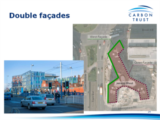
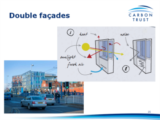
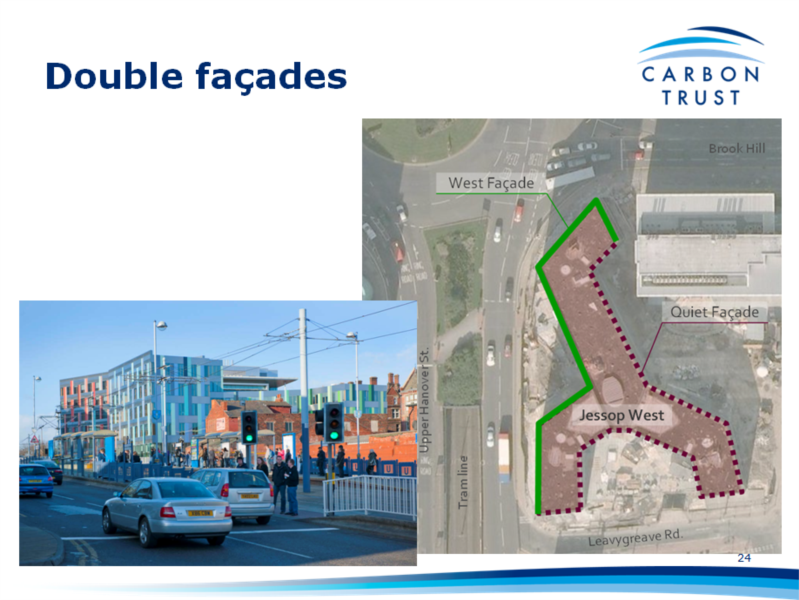
Click to View: 24. Double façades (1)
Click to Enlarge Slide 24. Double façades (1)
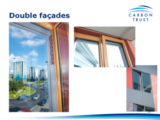
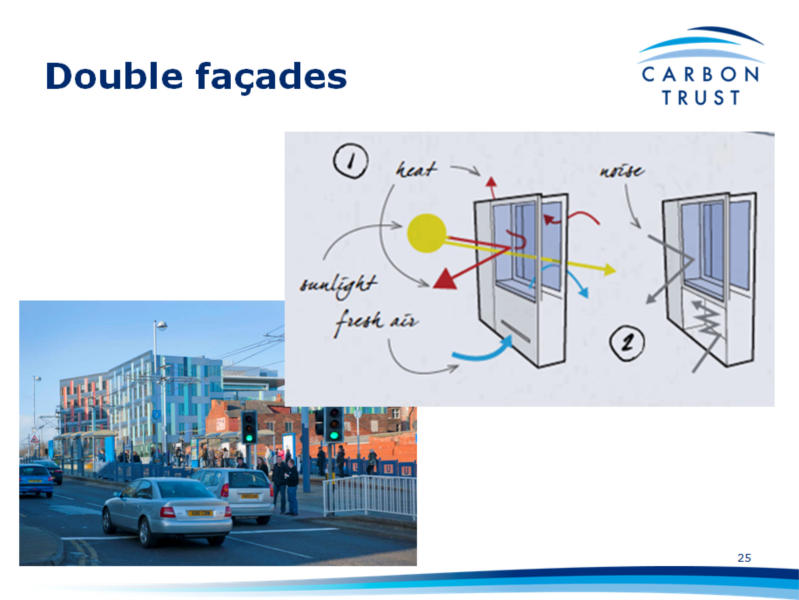
Click to View: 25. Double façades (2)
Click to Enlarge Slide 25. Double façades (2)
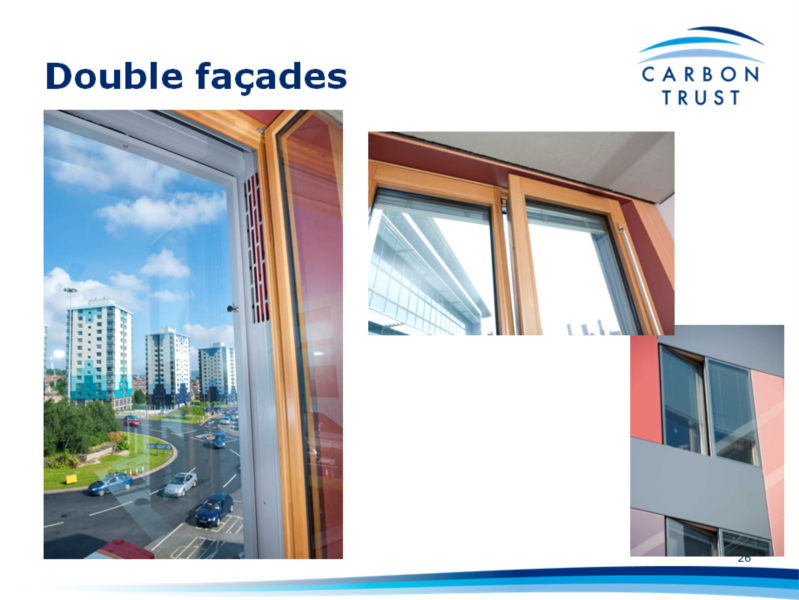
Click to View: 26. Double façades (3)
Click to Enlarge Slide 26. Double façades (3)
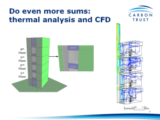
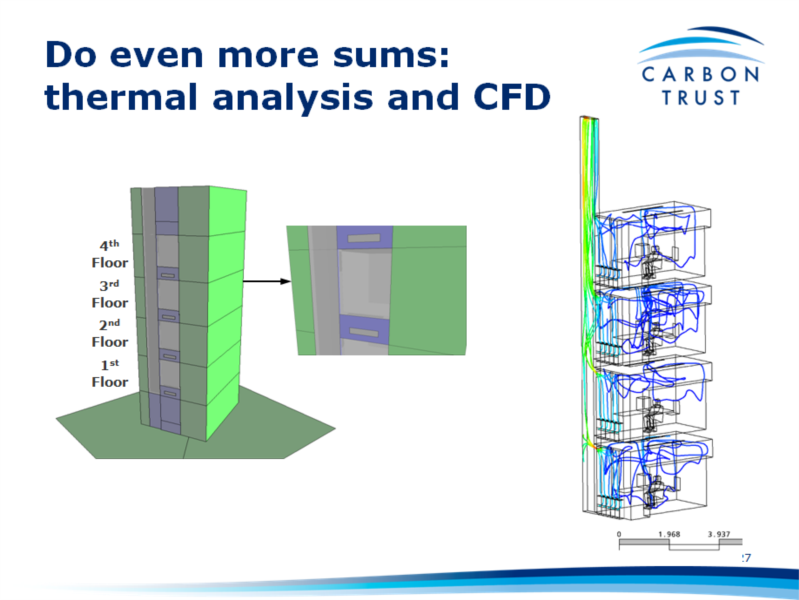
Click to View: 27. Do even more sums: thermal analysis and CFD
Click to Enlarge Slide 27. Do even more sums: thermal analysis and CFD
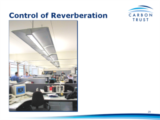
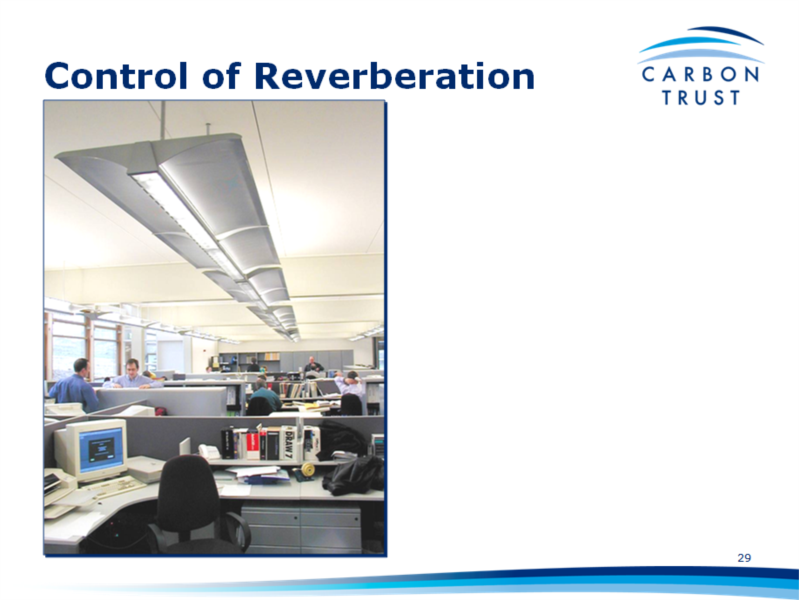
Click to View: 28. Control of Reverberation
Click to Enlarge Slide 28. Control of Reverberation
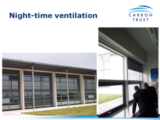
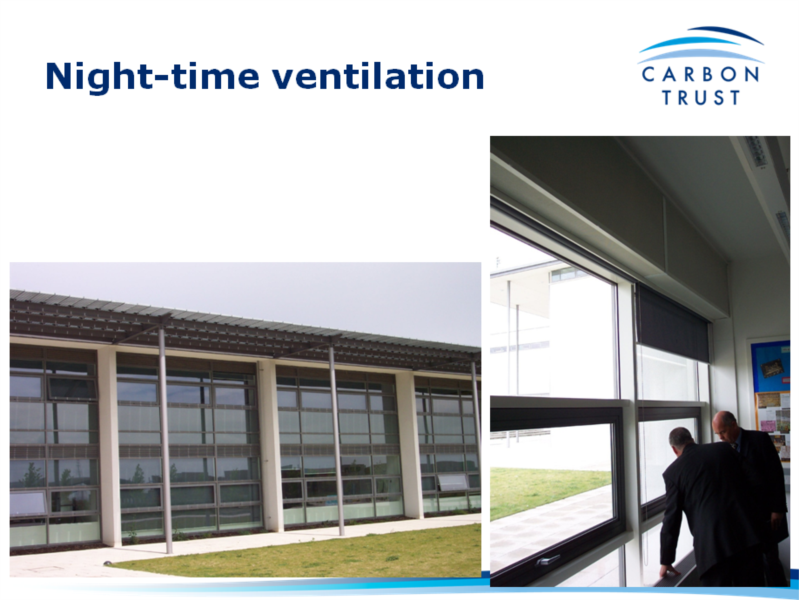
Click to View: 29. Night-time ventilation
Click to Enlarge Slide 29. Night-time ventilation
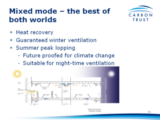
Click to View: 30. Mixed mode – the best of both worlds
Click to Enlarge Slide 30. Mixed mode – the best of both worlds
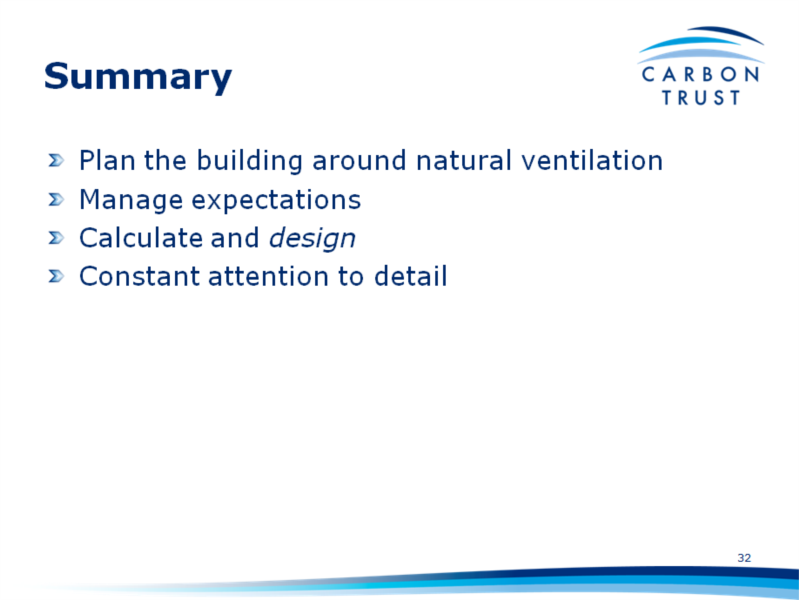
Click to View: 31. Summary
Click to Enlarge Slide 31. Summary